 Call Us : 08045803235



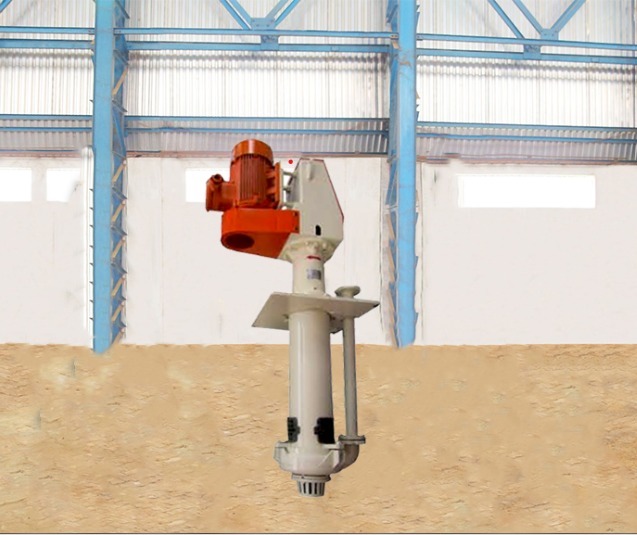
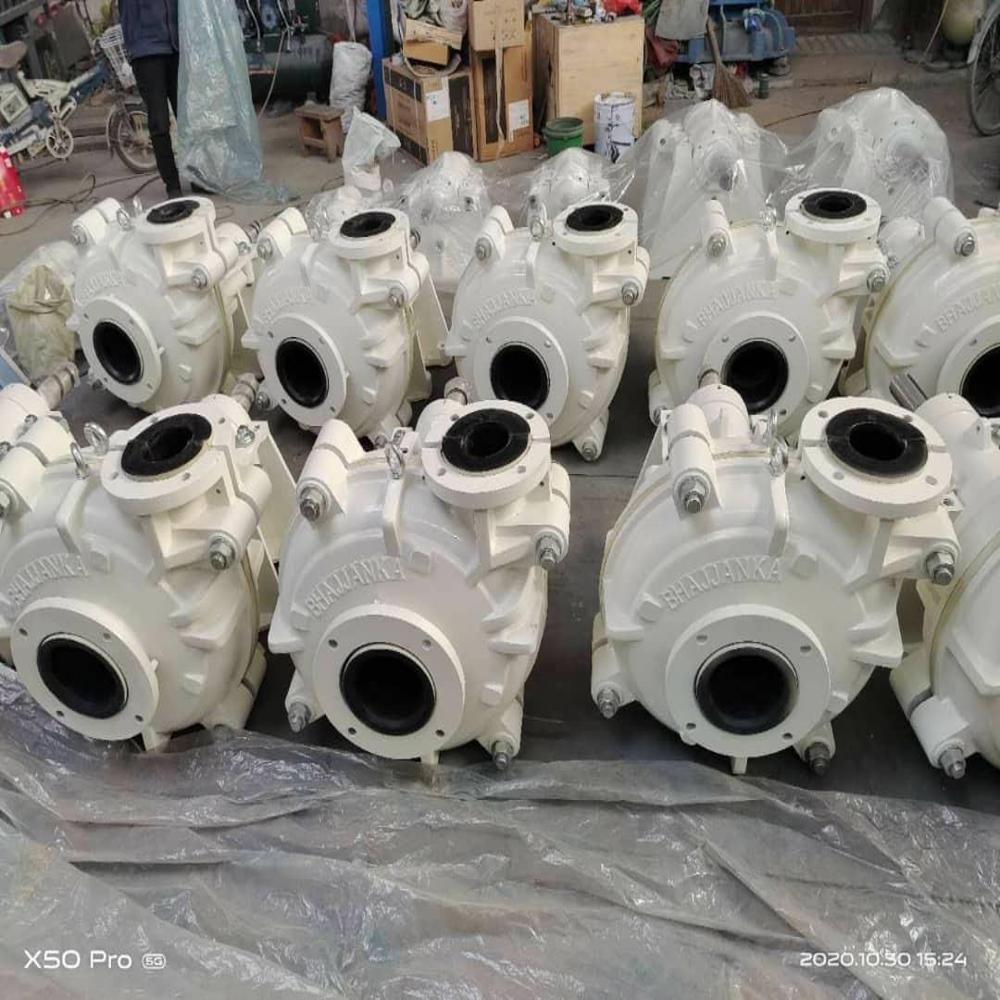
Vertical slurry pumps
Product Details:
- Cleaning Method Manual or backflush as per system requirement
- Media Type Slurry, solids-laden fluids
- Filter Type Slurry pump (not a filter)
- Filtration Grade Industrial grade
- Flow Rate 20 - 1200 m3/h (depending on model)
- Connecting Type
- Capacity Up to 1200 m3/h
- Click to View more
X
Vertical slurry pumps Price And Quantity
- 1 Piece
Vertical slurry pumps Product Specifications
- Slurry, liquid-solid mixtures
- Customizable (typically 40 mm to 250 mm discharge sizes)
- Manual or backflush as per system requirement
- Slurry pump (not a filter)
- Slurry, solids-laden fluids
- Industrial grade
- Vertical cantilever, Single stage pump body
- 20 - 1200 m3/h (depending on model)
- New
- Cast iron, Stainless steel, High chrome alloy
- Varies by model (typically 100-1000 kg)
- Up to 1200 m3/h
- Heavy-duty vertical design, Suitable for handling abrasive and corrosive slurries
- Up to 65%
- Up to 80C
- Cylindrical with vertical shaft
- Max 6 bar (87 psi)
- Within industrial compliance-information available on request
- Up to 2 meters or as specified
- Available on request according to media and installation
- Centrifugal sump pump
- Electric motor driven
- 1.5 kW to 55 kW (varies by model)
- Easy maintenance design, replaceable wear parts
- Open or semi-open impeller for solids handling
- Up to 60 mm
- 2" to 8" (model-specific)
- Sump / pit mounting with base plate or fixed bracket
- No shaft seal submerged, dry running possible
- Mining, chemical processing, wastewater treatment, power plants
- Yes, with suitable wetted components
Vertical slurry pumps Trade Information
- 30 Piece Per Week
- 4 Days
- Contact us for information regarding our sample policy
Product Description
Vertical slurry pumps are designed to reduce maintenance and operating costs. They are lightweight, easy to install, and require less floor space than horizontal pumps.
Features:
CASING - The metal pumps have a heavy walled abrasive resistant chrome alloy casing. Rubber pumps have a molded rubber casing adhered to sturdy metal structures.
BEARING ASSEMBLY - Our maintenance friendly bearing assembly has heavy duty roller bearings. robust bearing housings, and a massive shaft.
STANDARD IMPELLERS - open impellers; fluid flow enters the top as well as the bottom. This design eliminates shaft seals and reduces thrust load on the bearings.
LARGE PARTICLE - Large particle impellers are also available and enable passing unusually large solids.
Versatile Pumping Solutions
Our vertical slurry pumps are meticulously designed to outperform in the harshest environments. With modular construction and customizable features, they provide reliability, resilience, and high efficiency in managing solids-laden slurries. Be it mining, mineral processing, or chemical plant operation, these pumps excel in transporting abrasive and corrosive mixtures, adapting effectively to diverse industrial challenges.
Engineered for Durability and Flexibility
Constructed from robust materials like cast iron, stainless steel, and high chrome alloy, our pumps offer unmatched resistance to wear and corrosion. Customizable shaft lengths and discharge orientations support varied installation requirements, while simple manual or backflush cleaning methods ensure easy maintenance. Optional corrosion-resistant liners further extend service life in aggressive fluid environments.
FAQ's of Vertical slurry pumps:
Q: How do I select the suitable shaft length and impeller type for my vertical slurry pump application?
A: Shaft length (up to 2.5 meters standard, customizable) and impeller type (open or semi-open, with high chrome or rubber lining) should be chosen based on your sump depth, slurry abrasiveness, and particle size. Consult with our experts to recommend the ideal configuration for your facility's specific operational environment.Q: What applications are best suited for these vertical slurry pumps?
A: These pumps excel in mining, mineral processing, chemical plants, wastewater treatment, and dredging. Designed for transporting abrasive and corrosive slurries, they are ideal for sites that deal with liquid-solid mixtures containing particles up to 50 mm in diameter.Q: When should optional corrosion-resistant liners be considered for my pump?
A: Corrosion-resistant liners are recommended when the pumped slurry contains chemicals or highly corrosive agents, such as in certain chemical processing or aggressive mining slurries. This enhances the service life and operational reliability of the pump in challenging environments.Q: Where should the vertical sump-mounted pump be installed for optimal performance?
A: These pumps are vertically mounted in sumps or pits, ensuring the suction inlet remains below the slurry surface. Proper installation location-close to the source of slurry and secure vertical alignment-maximizes efficiency and minimizes downtime.Q: What is the typical maintenance process for these slurry pumps?
A: Routine maintenance involves periodic manual inspection or cleaning, and in some cases backflushing, to remove buildup and ensure optimal flow. As there are no submerged bearings or seals, overall maintenance is simplified, reducing downtime and operational costs.Q: How does the pump handle solids and maintain efficiency?
A: Specifically built for industrial slurries, these pumps efficiently transport solids up to 50 mm, with an operational efficiency of up to 65%. The open or semi-open impeller design, robust construction, and tailored materials collectively minimize wear and maintain consistent performance.Q: What benefits do these heavy-duty vertical slurry pumps offer compared to conventional pumps?
A: Our pumps provide superior handling of abrasive and corrosive slurries, have customizable features to suit various site requirements, simplified maintenance due to absence of submerged seals, and offer reliability in continuous, demanding operations across multiple industries.Tell us about your requirement

Price:
Quantity
Select Unit
- 50
- 100
- 200
- 250
- 500
- 1000+
Additional detail
Mobile number
Email

Other Products in 'Mining And Crusher Equipments ' category

Address
SRI VARI ENTERPRISES
GST : 33AKMPJ8272D1Z4
GST : 33AKMPJ8272D1Z4
- Sri Rp Complex, No 45 A, Housing Board Road, Kovipudur Cross, Palakkad Main Road,Coimbatore - 641042, Tamil Nadu, India
- Phone :08045803235
- Send Inquiry
- Mumbai Branch Office : Survey No 69/1, Shop No 07- A Wing Ground Floor, Prakruti Pearl, Hiranandani Estate, Patlipada, Ghodbunder Road, Thane, Maharashtra, 400607
Chennai Branch Office : A. Jaya Prabha, 31/32, Annailam, 1st Floor, Thiruneer, Thiruneermalai Main Road, Chromepet, Chennai
 Send Inquiry
 Send Inquiry
 Send SMS
 |
SRI VARI ENTERPRISES
All Rights Reserved.(Terms of Use) Developed and Managed by Infocom Network Private Limited. |
